An AI system earns trust by what it refuses to do
The interesting part of a RAG or agent system is not how much it answers. It is whether it declines, cites, and escalates when the evidence is thin. That restraint is what makes it safe to ship.
About
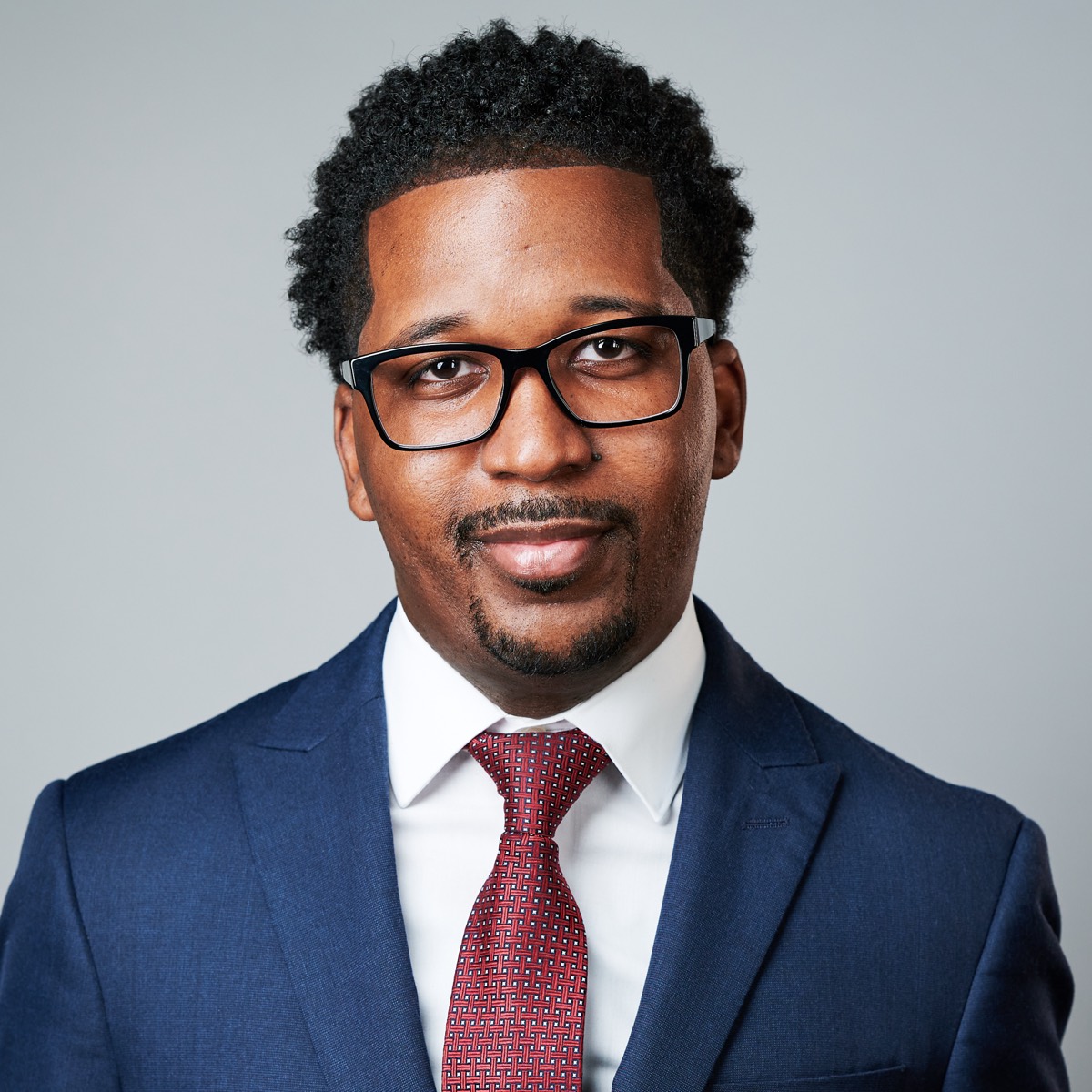
I'm Michael Miller Jr., a senior AI solutions architect and engineer based in the Cincinnati, Ohio area. Most of my work now lives in the same place: retrieval-augmented systems, agents, and agentic workflows, and the guardrails, evaluation, and human approval that decide whether any of it is safe to put in front of a real customer.
My path into this is a little unusual. I started by building things. I spent years as a data scientist and ML engineer shipping forecasting and optimization models into production, then led a data science team, and moved into a customer-facing role because I liked the part of the job that was about helping people make good technical decisions. That history is why I care less about the demo and more about what happens when the system meets real data, real latency, and a real audit.
Lately I have been building it, not just advising on it. ResolveIQ, TrustResponse, and ArchIQ are live AWS applications where I worked through the questions that actually matter for enterprise AI: how a system cites its sources, when it should refuse to answer, where a human stays in control, and how you keep a public AI feature from becoming a surprise bill.
What I do
Enterprise AI rarely fails on the math. It fails in the seams — between the people who understand the business and the people who understand the systems. That seam is where I'm most useful.
What I believe
These aren't slogans — they're the checks I run on my own recommendations before I put them in front of a customer.
The interesting part of a RAG or agent system is not how much it answers. It is whether it declines, cites, and escalates when the evidence is thin. That restraint is what makes it safe to ship.
Agents can plan, retrieve, and draft. When an action touches a real customer or a real commitment, a person should still hold the approval. That line is a design choice, not an afterthought.
Technology decisions should begin with the outcome that matters, not the model that is exciting this quarter. The architecture follows the problem, not the other way around.
A confident, fluent, wrong answer is the failure mode that kills enterprise AI. Retrieval before generation, with citations, is how you keep a system honest.
Non-deterministic systems need evals, guardrails, and monitoring more than deterministic ones do. Making governance measurable is most of the work, and the model call is the easy part.
The best solution is the one a team can confidently operate after I am gone, not the cleverest one I can build.
Away from the whiteboard
I'm a compulsive learner — I keep a running set of reference libraries and technical playbooks, partly because writing something down is how I know I actually understand it, and partly because I like having a good answer ready when a customer asks.
I genuinely enjoy teaching and explaining architecture. Some of my favorite moments are watching a concept click for a room of engineers, or helping a business leader feel confident about a decision they were nervous about. If I can make a hard idea feel approachable without hiding its complexity, I've done my job.